
The Power of Spatial Design
Shaping Experience and Strengthening Identity
Posted
2023-10-01
2023-10-01
2023-10-01
Author
Amro Kabbara
Amro Kabbara
Amro Kabbara
Est Reading
4 to 5 minutes
4 to 5 minutes
4 to 5 minutes
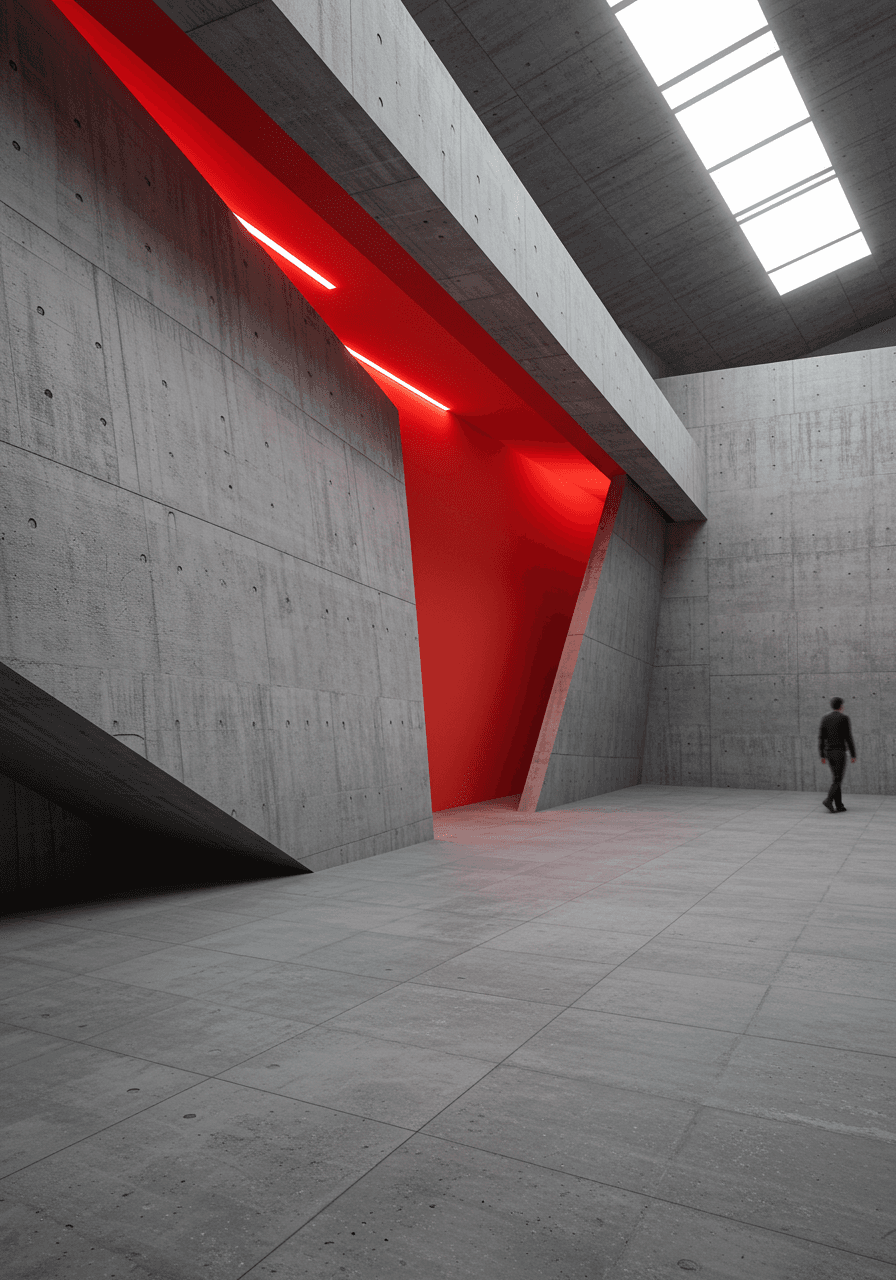
Space isn’t passive. It listens. It guides. It remembers. It frames how we move, how we feel, how we connect.
When done well, spatial design functions like silent choreography. It doesn’t direct behavior, but gently shapes it. Whether in a museum, a concept store, or a coworking hub, space has always held an opinion. The difference now is that we’re finally learning how to listen, and how to design with intention in return
The Science of Space: How Environments Shape Behavior
Spatial design is not guesswork. It’s strategy rooted in human behavior.
Open layouts tend to invite collaboration and flow. A simple shift in ceiling height can make a space feel expansive or secure. Materials leave impressions that linger, raw timber brings warmth, while brushed metal creates distance. Even the curve of a hallway can subtly control pace, slowing visitors before they arrive at a focal point.
Lighting, acoustics, and spatial hierarchy are all subtle but powerful tools. Want visitors to linger longer in a gallery? Soften the path and dim the lighting. Want to energize a fitness space? Use strong geometry and bright rhythm in layout.
Cultural context matters just as much. A wide open workspace may feel liberating in Copenhagen, but in Cairo, it might feel exposed or disorienting. The same spatial cue can trigger completely different reactions depending on local customs, collective habits, and even climate. Understanding these nuances is essential: not just to make a space work, but to make it feel right.
Spatial design isn't just about walls and voids. It’s about shaping experiences around movement, mood, and meaning.
Designing Identity: When Brands Take Physical Form
A brand is more than a logo or a slogan. It’s a rhythm, a tone, a set of values that should be felt long before they’re read.
Spatial design is where those values become tangible. A workspace layered with soft light and honest materials might express trust and openness. A retail concept with precise detailing and confident silence might communicate exclusivity. These choices create atmospheres that speak without signage.
Step into an Apple Store, and the atmosphere of clarity and control says just as much as the products on display. Walk into a chaotic fast-food chain, then into a boutique hotel lounge, and feel the difference. Both spaces serve a purpose, but only one tells a story you might want to be part of.
What makes a branded space truly memorable isn’t how much it tells you, but how it makes you feel without telling you anything at all.
The repetition of materials, spatial sequences, even scents, can anchor a brand in someone’s subconscious. Sometimes, contrast can do the same; a bold spatial interruption that breaks expectation, leaving a lasting impression.
The key is intention. Design that supports the brand isn’t always just about consistency; it’s also about resonance. The goal is not to decorate a space with brand elements, but to let the space become the brand itself; quietly, consistently, and with clarity.
Designing for What Comes Next
Good spatial design works today. Great spatial design prepares for tomorrow.
That corner café might become a gallery. That pop-up might evolve into a flagship. Spaces today are expected to flex, adapt, and sometimes reinvent themselves entirely. Future-proofing isn’t just about structural durability, it’s about spatial agility.
This is where design meets strategy. Adaptive reuse, modular components, generative layouts, sustainable materials; all these are not passing trends, they are long-term investments. A future-ready space considers how people’s needs might shift, how technology may integrate, and how the environment itself might demand change.
Generative spatial planning takes this even further by allowing layouts to adapt dynamically, based on user data and behavior, seasonal patterns or environmental changes. Think of a co-working space that reconfigures its layout every quarter based on actual usage patterns, or a retail concept that shifts based on seasonality and footfall. The built environment is beginning to behave more like a system: responsive, cyclical, and smart. And that changes the role of the designer entirely–from form-giver to experience strategist.
Conclusion
Spatial design is no longer the background; it is the experience.
It has the power to shape perception and define identity. It can turn passive visitors into participants, and fleeting moments into lasting impressions. Whether evoking a brand’s spirit or responding to evolving human needs, space holds potential far beyond its square footage.
What makes a space powerful isn’t just what it contains, but how it guides. The most successful environments don’t reflect identity from the outside in, they co-create it from within. At its core, spatial design is about creating the conditions where behavior, emotion, and meaning can emerge and continue evolving long after the door closes behind you.
Space isn’t passive. It listens. It guides. It remembers. It frames how we move, how we feel, how we connect.
When done well, spatial design functions like silent choreography. It doesn’t direct behavior, but gently shapes it. Whether in a museum, a concept store, or a coworking hub, space has always held an opinion. The difference now is that we’re finally learning how to listen, and how to design with intention in return
The Science of Space: How Environments Shape Behavior
Spatial design is not guesswork. It’s strategy rooted in human behavior.
Open layouts tend to invite collaboration and flow. A simple shift in ceiling height can make a space feel expansive or secure. Materials leave impressions that linger, raw timber brings warmth, while brushed metal creates distance. Even the curve of a hallway can subtly control pace, slowing visitors before they arrive at a focal point.
Lighting, acoustics, and spatial hierarchy are all subtle but powerful tools. Want visitors to linger longer in a gallery? Soften the path and dim the lighting. Want to energize a fitness space? Use strong geometry and bright rhythm in layout.
Cultural context matters just as much. A wide open workspace may feel liberating in Copenhagen, but in Cairo, it might feel exposed or disorienting. The same spatial cue can trigger completely different reactions depending on local customs, collective habits, and even climate. Understanding these nuances is essential: not just to make a space work, but to make it feel right.
Spatial design isn't just about walls and voids. It’s about shaping experiences around movement, mood, and meaning.
Designing Identity: When Brands Take Physical Form
A brand is more than a logo or a slogan. It’s a rhythm, a tone, a set of values that should be felt long before they’re read.
Spatial design is where those values become tangible. A workspace layered with soft light and honest materials might express trust and openness. A retail concept with precise detailing and confident silence might communicate exclusivity. These choices create atmospheres that speak without signage.
Step into an Apple Store, and the atmosphere of clarity and control says just as much as the products on display. Walk into a chaotic fast-food chain, then into a boutique hotel lounge, and feel the difference. Both spaces serve a purpose, but only one tells a story you might want to be part of.
What makes a branded space truly memorable isn’t how much it tells you, but how it makes you feel without telling you anything at all.
The repetition of materials, spatial sequences, even scents, can anchor a brand in someone’s subconscious. Sometimes, contrast can do the same; a bold spatial interruption that breaks expectation, leaving a lasting impression.
The key is intention. Design that supports the brand isn’t always just about consistency; it’s also about resonance. The goal is not to decorate a space with brand elements, but to let the space become the brand itself; quietly, consistently, and with clarity.
Designing for What Comes Next
Good spatial design works today. Great spatial design prepares for tomorrow.
That corner café might become a gallery. That pop-up might evolve into a flagship. Spaces today are expected to flex, adapt, and sometimes reinvent themselves entirely. Future-proofing isn’t just about structural durability, it’s about spatial agility.
This is where design meets strategy. Adaptive reuse, modular components, generative layouts, sustainable materials; all these are not passing trends, they are long-term investments. A future-ready space considers how people’s needs might shift, how technology may integrate, and how the environment itself might demand change.
Generative spatial planning takes this even further by allowing layouts to adapt dynamically, based on user data and behavior, seasonal patterns or environmental changes. Think of a co-working space that reconfigures its layout every quarter based on actual usage patterns, or a retail concept that shifts based on seasonality and footfall. The built environment is beginning to behave more like a system: responsive, cyclical, and smart. And that changes the role of the designer entirely–from form-giver to experience strategist.
Conclusion
Spatial design is no longer the background; it is the experience.
It has the power to shape perception and define identity. It can turn passive visitors into participants, and fleeting moments into lasting impressions. Whether evoking a brand’s spirit or responding to evolving human needs, space holds potential far beyond its square footage.
What makes a space powerful isn’t just what it contains, but how it guides. The most successful environments don’t reflect identity from the outside in, they co-create it from within. At its core, spatial design is about creating the conditions where behavior, emotion, and meaning can emerge and continue evolving long after the door closes behind you.