
The Evolution of Design
From Functionality to Experience
Posted
2023-10-01
2023-10-01
2023-10-01
Author
Amro Kabbara
Amro Kabbara
Amro Kabbara
Est Reading
4 to 5 minutes
4 to 5 minutes
4 to 5 minutes
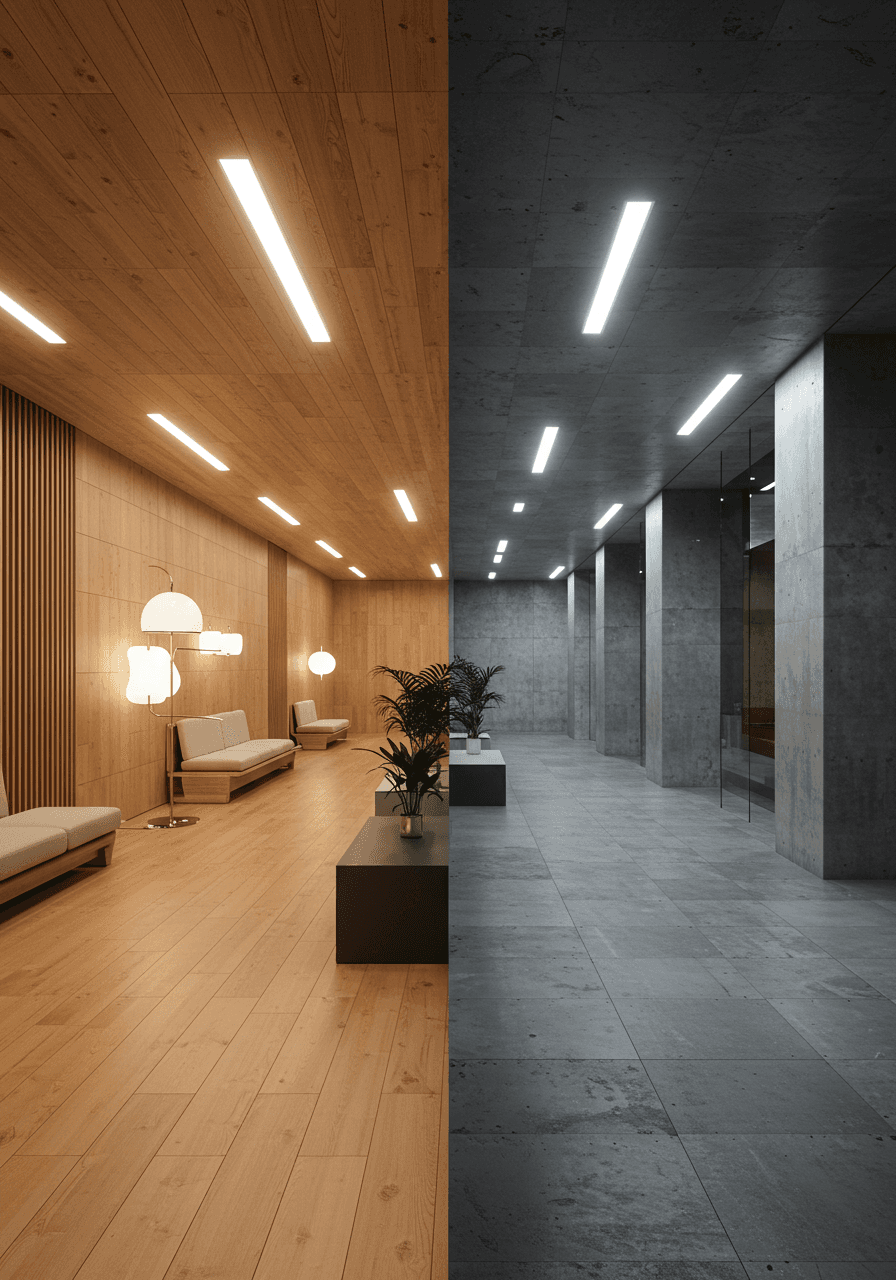
Design has long been a tool for solving practical problems. It optimized movement, organized spaces, and prioritized utility. But the definition of “good design” has quietly shifted. It is no longer enough for a space to function. Today, design must move people. It must tell stories, create emotion, and foster deeper human connections.
Welcome to the age of experience.
From Function to Emotion
For centuries, design focused on function. Gothic cathedrals pointed to the heavens but also kept out the rain. Mid-century homes celebrated modernism and convenience. Office buildings were… well, mostly beige and efficient.
Today, expectations have evolved. A hotel lobby is no longer just a check-in point. It’s a moodboard of the brand. A café isn’t just about coffee. It’s about community, lighting, music, and a backdrop that makes your cappuccino look good on Instagram.
Design is now tasked with shaping how people feel. It whispers through materials, light, acoustics, and flow. And the spaces that succeed are the ones that stir something, even if that something is just, “I’d love to work here.”
Experience-Driven Design in Practice
Look around and the signs are everywhere. Airports turning terminals into cultural experiences. Retail stores becoming immersive installations. Museums evolving from static displays to sensory journeys.
One gallery in Tokyo uses projection mapping to make digital flowers bloom under your footsteps. A wellness center in Copenhagen was designed to lower your blood pressure just by entering. These spaces aren’t built for utility alone, they are choreographed for emotion, engagement, and memory.
Even technologies like augmented reality and responsive environments are not just “cool add-ons.” They’re tools in the new design toolkit, enabling richer layers of narrative and interaction, the kind that feels less like tech and more like magic.
Beyond Aesthetics: Designing for Meaning
Let’s be clear: beauty still matters. But it’s not the finish line. A stunning space that says nothing is just a showroom. The real power of design lies in meaning.
Take the difference between a co-working space that’s merely stylish versus one that builds a culture. Or a boutique that looks good, versus one that makes you feel part of a story the moment you step in.
The shift is from what it looks like to what it evokes. From styling to storytelling. From visual impact to visceral response.
A well-designed space is no longer just admired. It’s felt, lived in, and, ideally, remembered.
Conclusion
Design has grown up. It still solves problems, but now it also asks questions. It aims not just to serve but to move. To create experiences that are emotional, engaging, and human.
The tape measures are still out. The plans are still drawn. But today’s design process is more than geometry - it’s choreography. It considers how people arrive, how they move, how they pause, and how they carry the memory with them.
Function will always be the foundation. But experience? That’s where the soul lives.
Design has long been a tool for solving practical problems. It optimized movement, organized spaces, and prioritized utility. But the definition of “good design” has quietly shifted. It is no longer enough for a space to function. Today, design must move people. It must tell stories, create emotion, and foster deeper human connections.
Welcome to the age of experience.
From Function to Emotion
For centuries, design focused on function. Gothic cathedrals pointed to the heavens but also kept out the rain. Mid-century homes celebrated modernism and convenience. Office buildings were… well, mostly beige and efficient.
Today, expectations have evolved. A hotel lobby is no longer just a check-in point. It’s a moodboard of the brand. A café isn’t just about coffee. It’s about community, lighting, music, and a backdrop that makes your cappuccino look good on Instagram.
Design is now tasked with shaping how people feel. It whispers through materials, light, acoustics, and flow. And the spaces that succeed are the ones that stir something, even if that something is just, “I’d love to work here.”
Experience-Driven Design in Practice
Look around and the signs are everywhere. Airports turning terminals into cultural experiences. Retail stores becoming immersive installations. Museums evolving from static displays to sensory journeys.
One gallery in Tokyo uses projection mapping to make digital flowers bloom under your footsteps. A wellness center in Copenhagen was designed to lower your blood pressure just by entering. These spaces aren’t built for utility alone, they are choreographed for emotion, engagement, and memory.
Even technologies like augmented reality and responsive environments are not just “cool add-ons.” They’re tools in the new design toolkit, enabling richer layers of narrative and interaction, the kind that feels less like tech and more like magic.
Beyond Aesthetics: Designing for Meaning
Let’s be clear: beauty still matters. But it’s not the finish line. A stunning space that says nothing is just a showroom. The real power of design lies in meaning.
Take the difference between a co-working space that’s merely stylish versus one that builds a culture. Or a boutique that looks good, versus one that makes you feel part of a story the moment you step in.
The shift is from what it looks like to what it evokes. From styling to storytelling. From visual impact to visceral response.
A well-designed space is no longer just admired. It’s felt, lived in, and, ideally, remembered.
Conclusion
Design has grown up. It still solves problems, but now it also asks questions. It aims not just to serve but to move. To create experiences that are emotional, engaging, and human.
The tape measures are still out. The plans are still drawn. But today’s design process is more than geometry - it’s choreography. It considers how people arrive, how they move, how they pause, and how they carry the memory with them.
Function will always be the foundation. But experience? That’s where the soul lives.